How do birds digest food?

Birds do not have teeth, they have beaks! So how do they chew their food?
The answer is: they don’t chew in quite the same way that we do.
Instead, birds have a very clever digestive system that helps them store, soften, break down and grind up food after they have swallowed it.
From beaks to gizzards, bird digestion is full of amazing body functions.
First stop: the beak
A bird’s beak is one of its most important tools.
Birds use their beaks to pick up, peck, tear, crack, scoop or filter food, depending on what they eat.
It does some of the work before food is swallowed, but it does not chew food into tiny pieces like teeth would.
Different birds have different beak shapes:
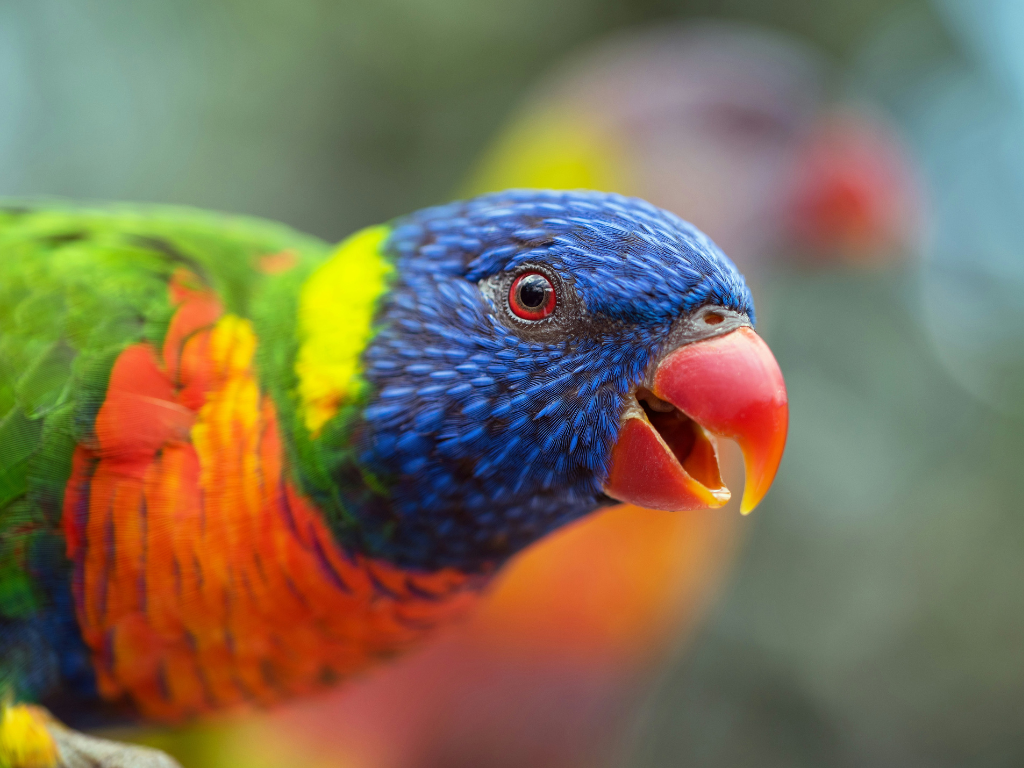
- Seed-eating birds often have strong, short beaks for cracking seeds.
- Birds of prey have hooked beaks for tearing meat.
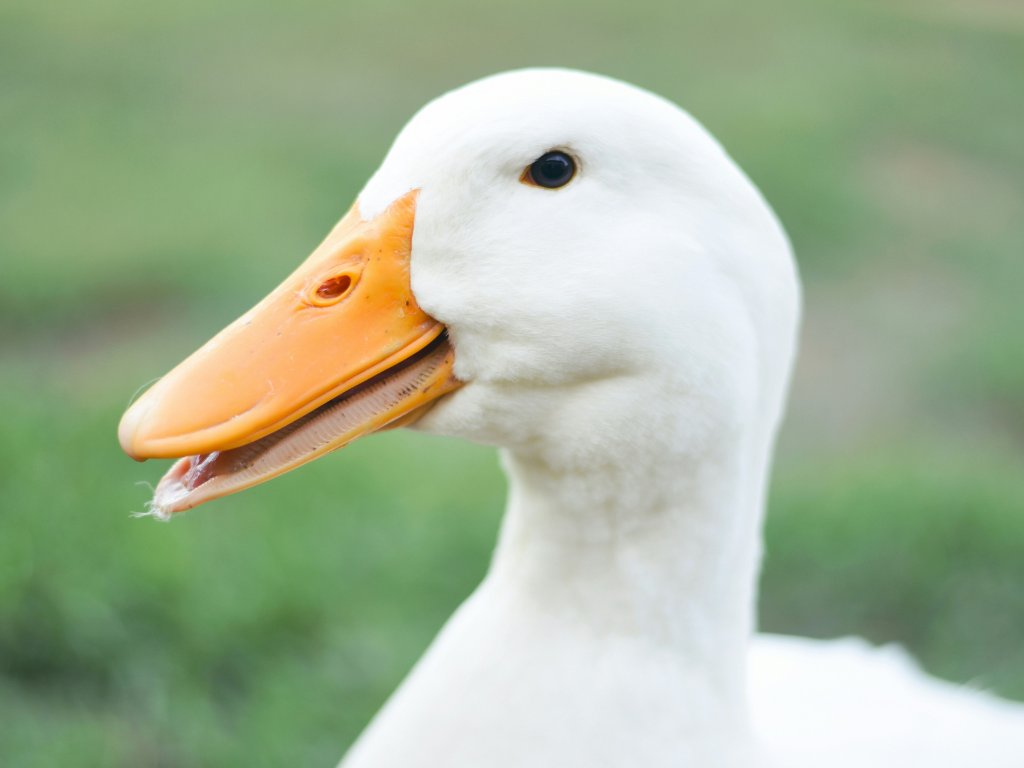
- Ducks have flatter beaks (often called “bills”) that help them scoop and filter food from water.
- Hummingbirds have long, thin beaks for reaching nectar inside flowers.


Down the throat
Once food is swallowed, it travels down the oesophagus.
The oesophagus is a tube that carries food from the mouth towards the stomach.
In some birds, the food may stop for a while in a special storage area called the crop.
What is a crop?
The crop is a pouch-like part of the digestive system.
Not all birds have a crop, but in birds that do, it can hold food before it moves further through the body.
This is useful because it means a bird can eat food quickly, then digest it later in a safer place.
For example, a bird might grab food while it can, then fly away from danger before properly digesting its meal.
Some parent birds also use the crop when feeding their chicks.

The bird stomach has two parts
Birds have a stomach, but it works a little differently from ours.
The first part is called the proventriculus. This is where digestive juices start breaking food down.
Then the food moves into the gizzard.
What is a gizzard?
The gizzard is a strong, muscular part of the digestive system.
Its job is to grind food into smaller pieces.
You can think of it a bit like a built-in food crusher.
Because birds do not have teeth, the gizzard helps do some of the “chewing” after food has already been swallowed.

Why do birds swallow stones?
Some birds swallow tiny stones or grit.
This might sound strange, but it can be very helpful.
The grit sits inside the gizzard and helps grind up tougher food, such as seeds or plant material.
The bird is not eating stones for nutrition. The stones are more like tools that help the gizzard break food down.
Into the intestines
Once the food has been broken down, it moves into the intestines.
This is where the bird’s body absorbs useful nutrients from the food.
Nutrients help the bird grow, move, heal and stay healthy.
The food that cannot be used continues through the digestive system and leaves the body as waste.
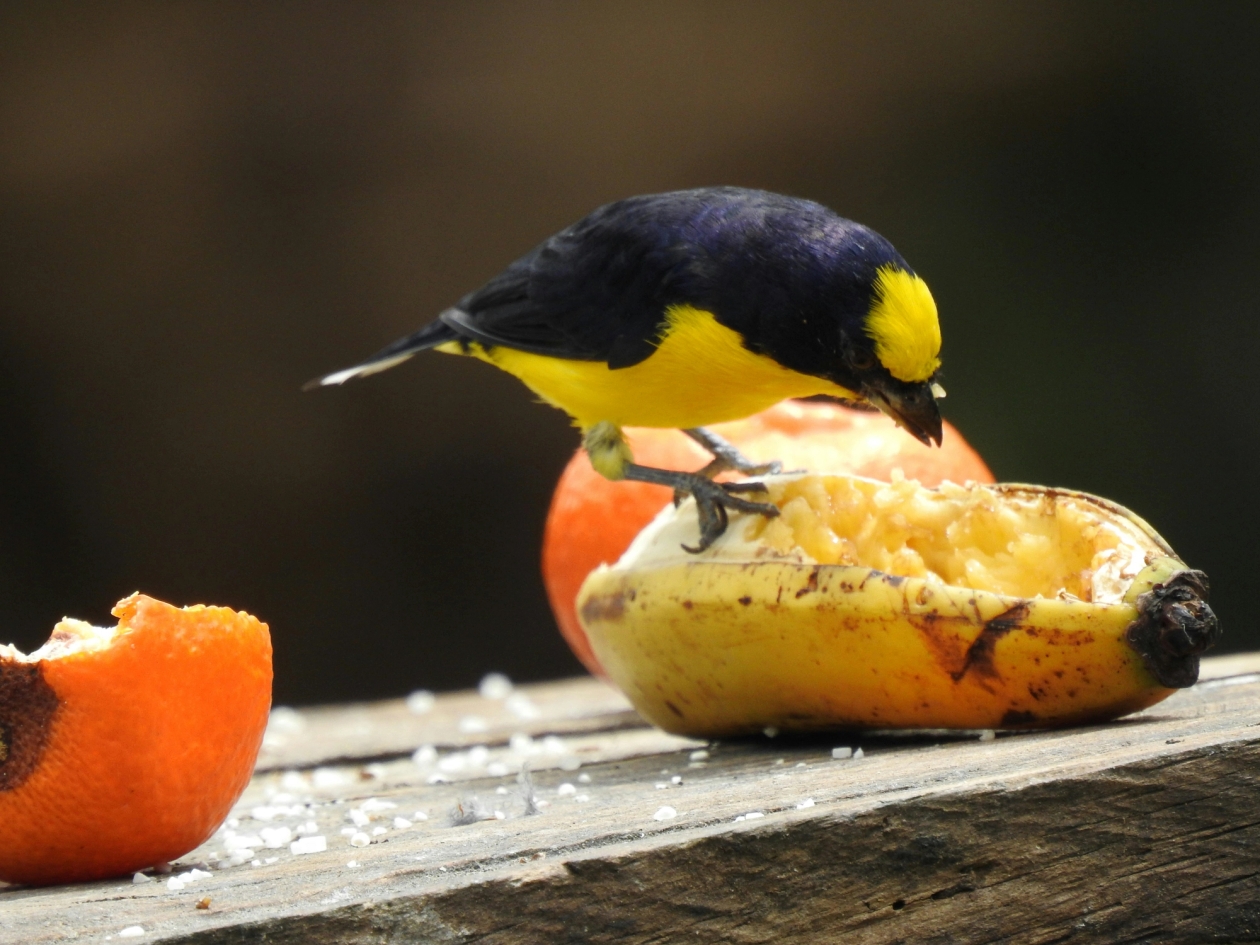
Do all birds digest food the same way?
All birds share some similar digestive features, but their bodies are adapted for different diets.
A parrot that cracks seeds, an owl that eats small animals, a duck that feeds in water, and a hummingbird that drinks nectar all have different feeding habits.
Their digestive systems help them get what they need from the foods they are built to eat.
This is why the right diet is so important for pet birds. A healthy diet for one bird may not be right for another.
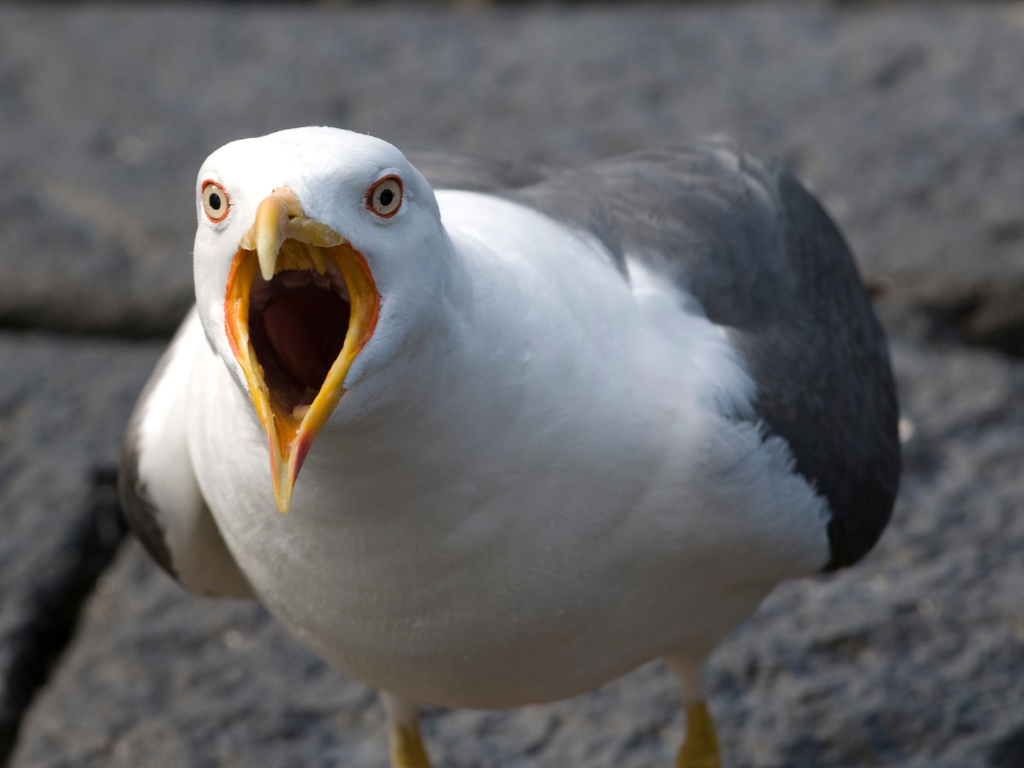
What about owls?
Owls have an extra fascinating digestion fact.
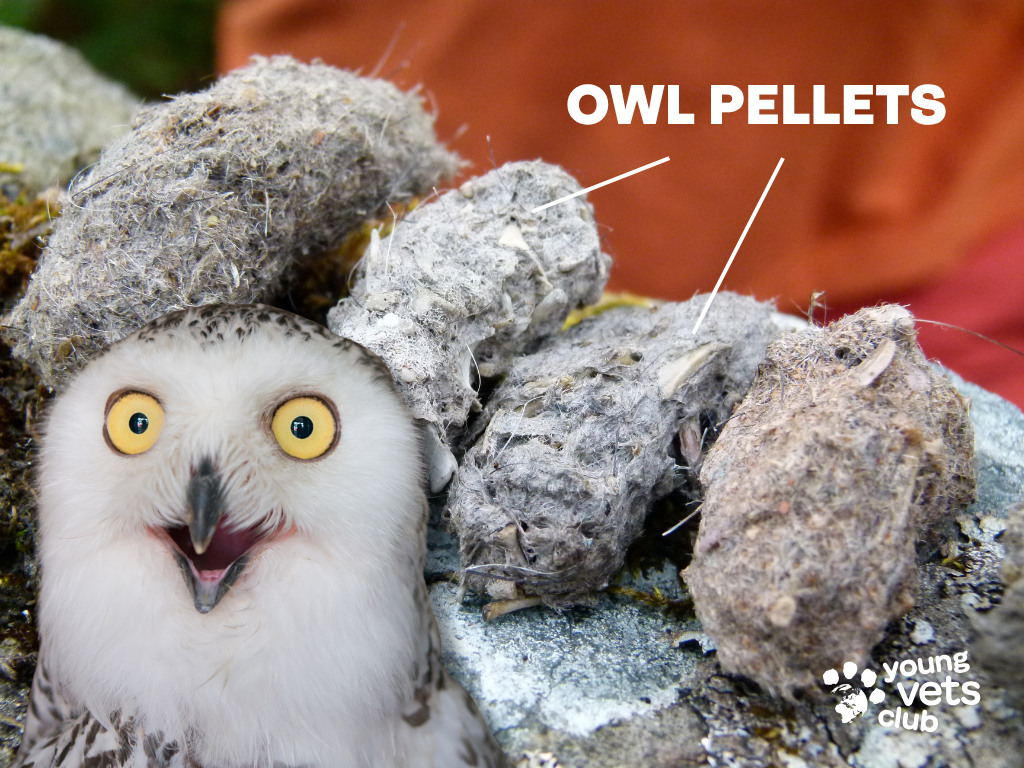
When an owl eats prey, it cannot digest everything. Bones, fur, feathers and teeth are too hard to break down properly.
Instead of passing all of this through the body, the owl forms these leftovers into something called a pellet and brings it back up through its mouth.
It might sound gross, but owl pellets can tell scientists a lot about what owls have been eating, giving them important clues about their habitat and lifestyle.
Amazing digestion fact
Birds need lots of energy for flying, staying warm and keeping their bodies working.
Their digestive systems are designed to be efficient, helping them get energy from food without carrying too much extra weight.
That is one reason bird bodies are so brilliantly adapted for life in the air.

Final thought
Bird digestion is very different from ours, but it is perfectly designed for birds.
They may not have teeth, but they have beaks, crops, stomach juices and powerful gizzards to help them break down food and get the nutrients they need.
So, the next time you see a bird pecking, cracking seeds or swallowing food whole, remember that the real work is only just beginning.